

One day in Siracusa can take you from the ancient sites of Neapolis Archaeological Park to the lanes and waterfront of Ortigia. Start with the archaeological area, then choose a museum stop before spending the afternoon around Piazza Duomo.
- Start: Neapolis Archaeological Area, in Siracusa (SR).
- Park tickets: €14 full price and €7 reduced.
- Early September hours: 08:30–19:15 from September 1–15; ticket office closes at 18:30.
- Late September hours: 08:30–18:45 from September 16–30; ticket office closes at 17:30.
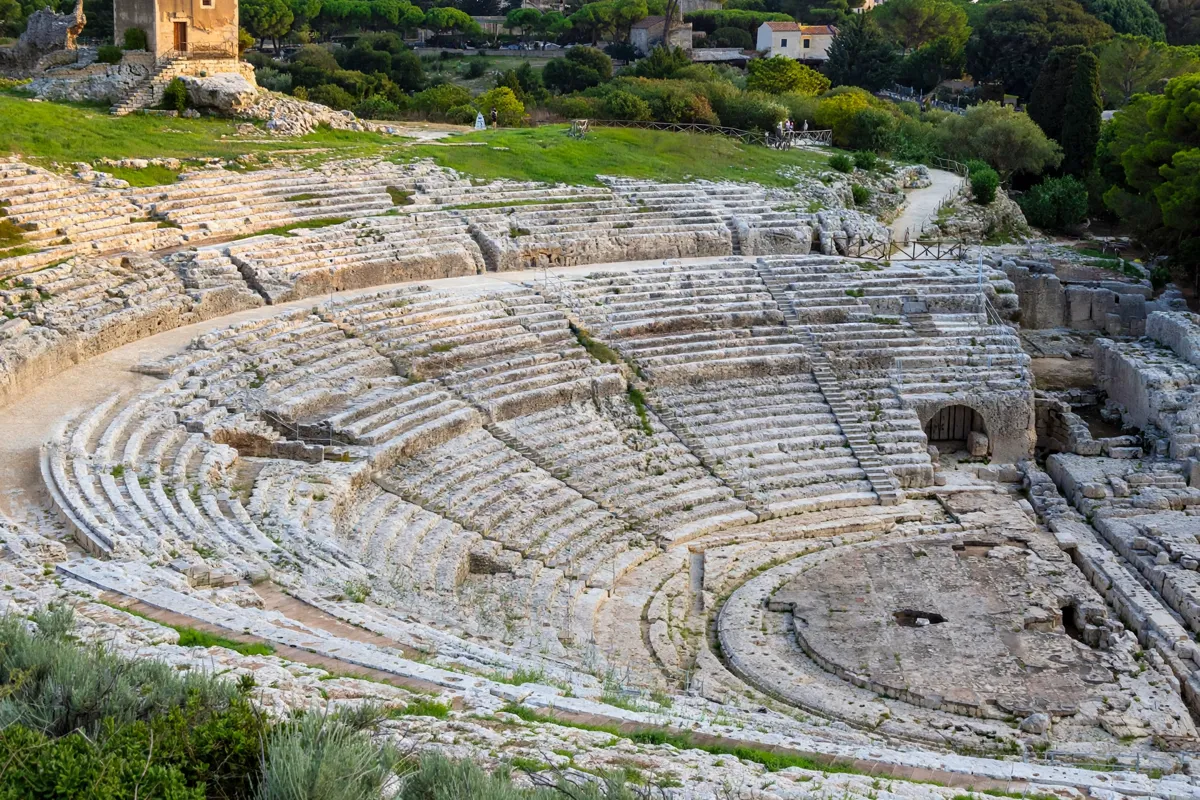
Begin with Neapolis Archaeological Park
Neapolis Archaeological Park is the natural first stop for a Siracusa itinerary focused on the city’s ancient sites. Its main archaeological area gives the morning a clear starting point before you decide how much time to give the museum or other stops.
Admission is €14 full price and €7 reduced. Hours change by season; in September, the schedule shifts midway through the month, and the ticket office closes before the site. Check the official site before you go.
The Roman amphitheatre is one of the park’s other major archaeological features; Anfiteatro romano in Siracusa offers more detail on what to see there.
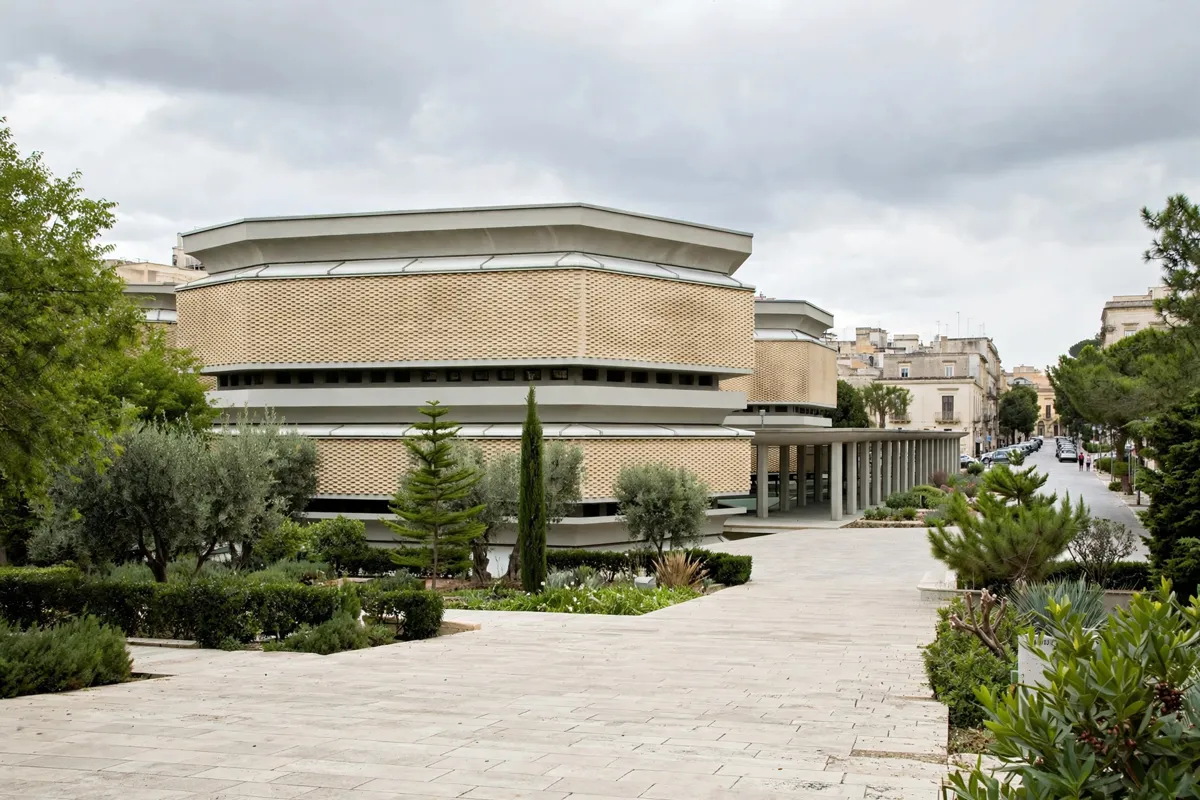
Choose a museum or extra archaeological stop
The Paolo Orsi Archaeological Museum is a practical companion to Neapolis, while Anfiteatro romano offers another archaeological stop. Choose between adding museum time and keeping the day focused on outdoor sites.
The Greek Theatre is a central Neapolis stop, and its performance season is another part of its story; find more about visits to the Greek Theatre in Siracusa.
If you want to include both the museum and amphitheatre, leave room in the day for each stop rather than treating them as a single visit.
From Hotel Populus, a bed and breakfast in Siracusa, Anfiteatro romano is about a 24-minute walk or about 5 minutes by car.
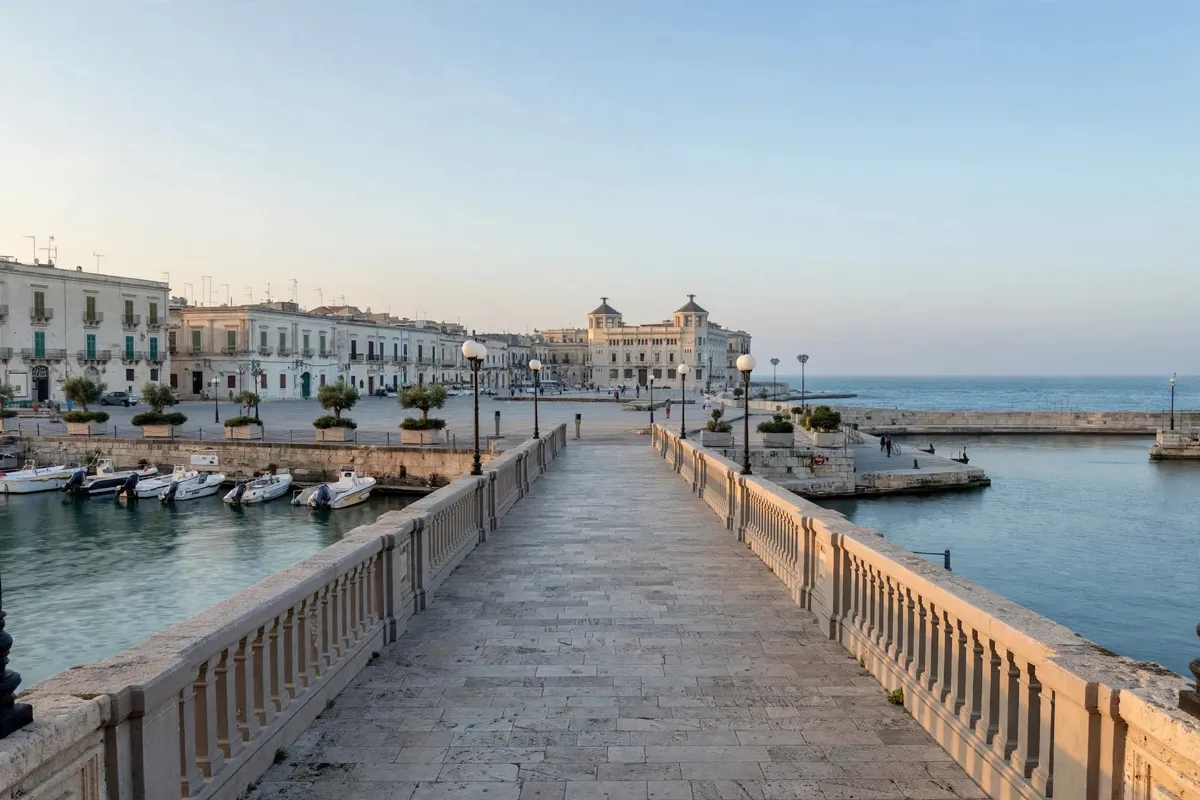
Cross to Ortigia for the afternoon
Ortigia shifts the itinerary from the archaeological park to an island setting of streets, waterfront and historic landmarks. Make your way toward Piazza Duomo for the next part of the day, then continue along the waterfront.
The Comune di Siracusa’s tourist-transport route through Ortigia includes Molo S. Antonio parking area, Via Malta, Ponte S. Lucia, Via dei Mille, Viale Mazzini, Via Ruggero Settimo and Passeggio Aretusa. Tourist transport by velocipedes and motocarrozzette is a seasonal service running from April 1 to October 31.
Ortigia’s lanes, Piazza Duomo and market are key parts of the Siracusa old town.
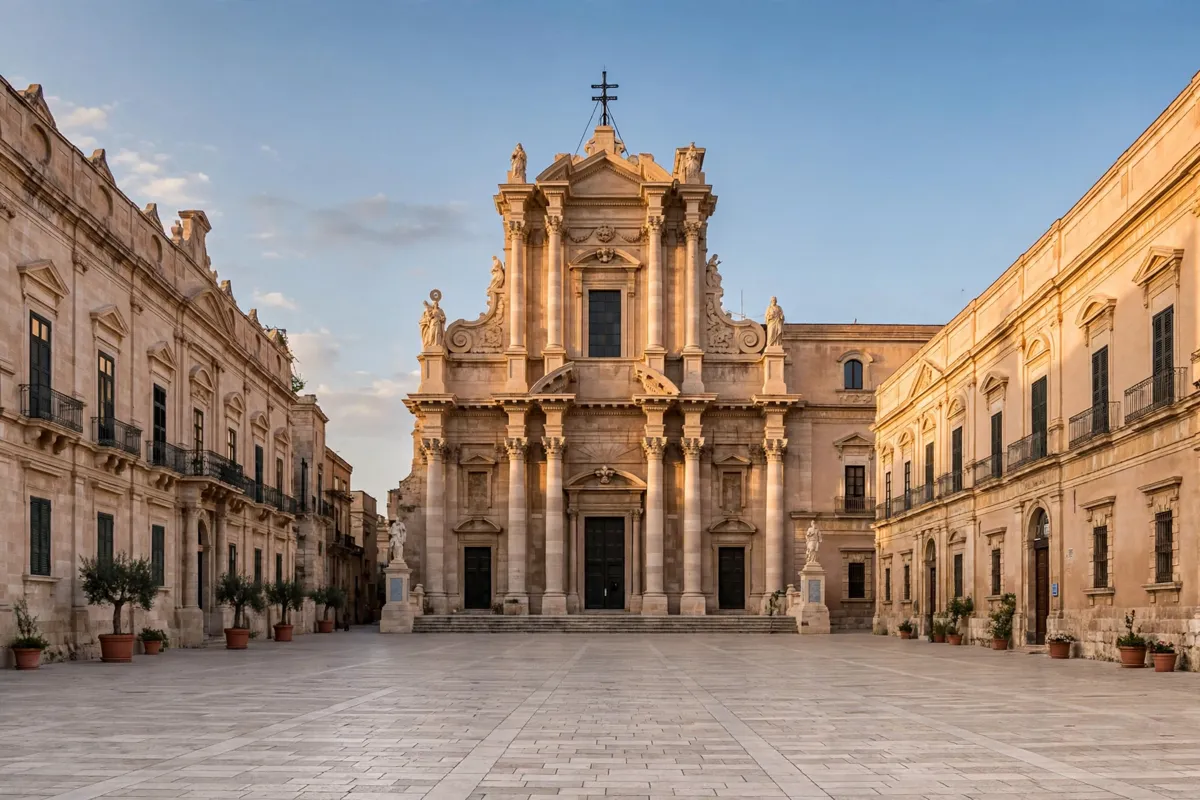
Finish around Piazza Duomo and the waterfront
Piazza Duomo makes a natural final focus in Ortigia, with the cathedral at the heart of the square. The cathedral has paid admission, and its ticket office hours vary by season; it cannot be visited during religious services.
The Percorso ipogeico di Piazza Duomo is a subterranean route that runs east–west from the square toward the Marina walls, with a main gallery and smaller galleries. Published information differs on whether it is open, its visitor hours and ticket prices, so check the official site before you go if you plan to include it.
Finish with time along the waterfront. Anfiteatro romano can also fit on a separate visit if you would rather keep the Ortigia afternoon unhurried.
FAQs
How much is admission to Neapolis Archaeological Park?
The ticket price is €14 full price and €7 reduced.
What are the September opening hours at Neapolis?
From September 1–15, hours are 08:30–19:15, with the ticket office closing at 18:30. From September 16–30, hours are 08:30–18:45, with ticket sales ending at 17:30.
Can you visit Syracuse Cathedral during religious services?
No. The cathedral cannot be visited during religious services, and its ticket office schedule varies by season.